Why your ring size changes through the day
Your finger size changes because fingers swell and shrink with heat, salt, water, and the time of day. Fingers are smallest in the cold and first thing in the morning, and largest in warm weather and the late afternoon. The swing is real but small, usually about a quarter size across a day and up to half a size across the seasons.
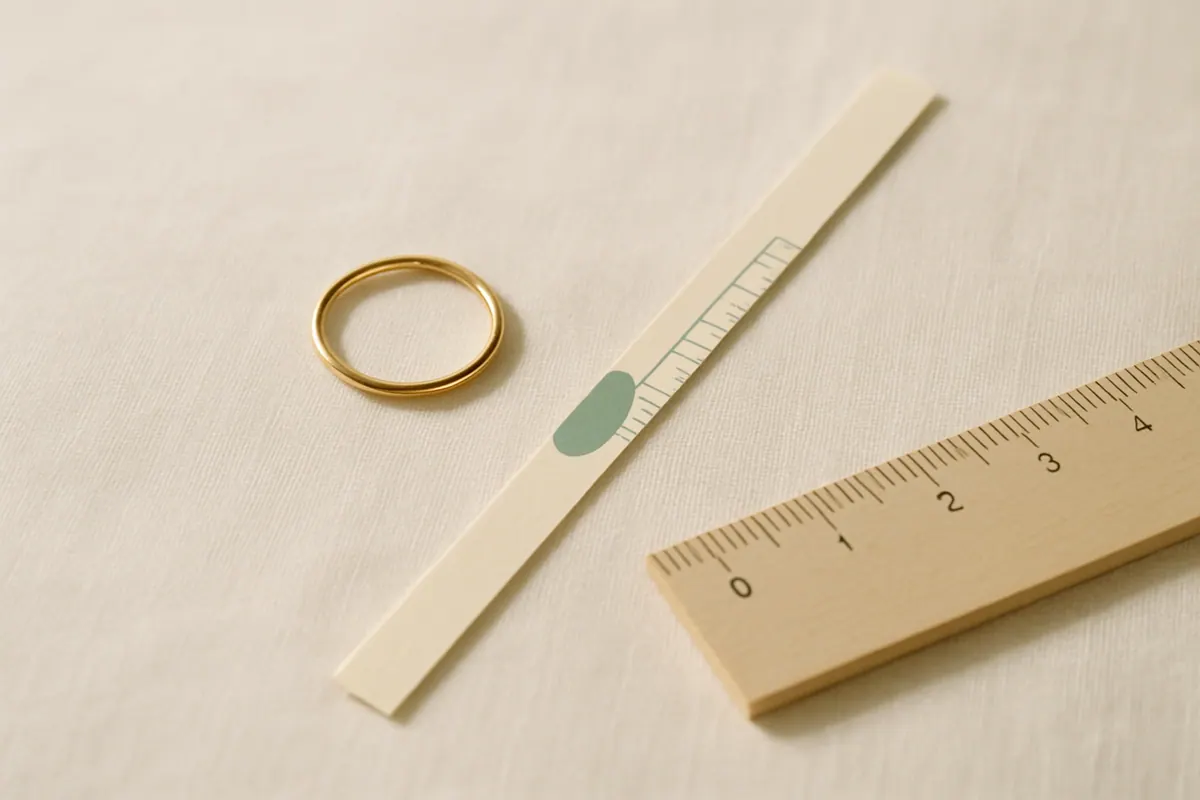
You measured carefully, ordered the ring, and now some days it spins and some days it sticks. Nothing is wrong with the ring. Fingers are not a fixed size. They change with temperature, what you ate, how much water you are holding, and the clock. Once you know the pattern, you can pick a size that fits most of the time instead of chasing a number that keeps moving.
Is it normal for ring size to change during the day?
Yes, it is normal and it happens to everyone. A finger can move about a quarter of a ring size between morning and late afternoon, and more on a hot day or after a salty meal. That is why a ring can feel loose at breakfast and snug by dinner. The size you read depends entirely on when you measured, so the time of day matters as much as the method.
Why do fingers swell and shrink?
It comes down to blood flow and fluid. When you are warm, blood vessels widen to shed heat, so more blood reaches the surface and fingers puff up a little. When you are cold, vessels narrow and fingers shrink. Salt makes your body hold extra water, and a lot of that water shows up in your hands. Overnight, fluid pools while you lie flat, which is why hands often feel puffy when you wake. The main drivers:
- Heat. Warm rooms and summer weather widen blood vessels and swell the finger.
- Cold. Cold hands shrink, and a ring can slip off without you noticing.
- Salt and food. A salty meal makes you retain water for a day or so.
- Time of day. Smallest in the morning, largest in the late afternoon and evening.
- Exercise. Hard use of the hands pushes blood and warmth into the fingers.
- Hormones and health. Pregnancy, the menstrual cycle, and some medicines change fluid levels.
What time of day should I measure my ring size?
Measure in the late afternoon or early evening, when your hands are at a normal temperature and have settled into their average size. Avoid measuring first thing in the morning, right after a workout, or when your hands are cold, since all three give a misleading reading. If you want to be thorough, measure on two or three different days and take the size that comes up most often.
When you are ready to take the reading, the most reliable home method is a true-scale tool. Print the ring sizer, check the scale against a ruler or a bank card, then wrap the strip. If you already have a measurement in millimeters, the converter on that page turns it into a US size, and the ring size chart lists every size in mm.
How should a ring fit if my size keeps changing?
Aim for a ring that is snug at your average size and still clears the knuckle. It should take a little effort to pull off, with a slight resistance over the knuckle, and it should not spin freely. If you run hot or your hands swell often, size to your larger afternoon reading. If your knuckle is much wider than the base of your finger, ask a jeweler about sizing beads or a fitter bar, which hold a slightly loose ring in place.
- Size to the finger you will actually wear the ring on. The two hands differ.
- For a wide band, add a quarter to a half size, since a wide ring needs more room to pass the knuckle.
- If a ring is tight only on hot days, that is the swelling talking, not the wrong size.
- A ring that slips off in winter is normal too. Many people keep a thin sizing insert for the cold months.
Find your size in two minutes
Print a true-scale sizer with a built-in scale check, or convert a millimeter measurement on the page.